What if I told you that there is a fabric that warms you in winter, cools you in summer, keeps you warm even when wet, has a beneficial effect on joints and muscles, doesn't wrinkle, doesn't smell, has antibacterial properties, doesn't burn easily, is 100% natural, biodegradable, renewable and, despite its properties, is still light and thin?
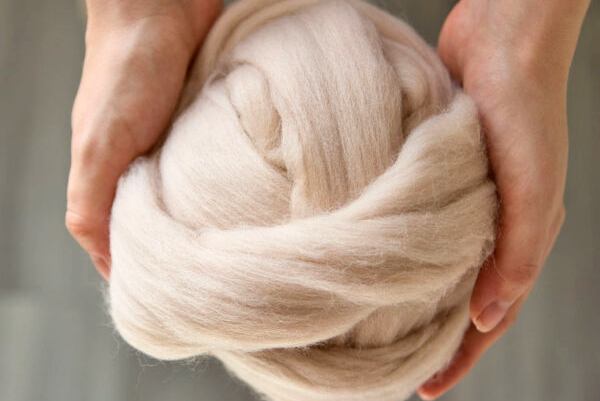
Merino wool is known worldwide for its softness, strength, innate versatility and technical benefits. Merino wool's versatility ranges from luxury fashion to high-performance activewear, accessories, homewares and everything in between.
What does sheep wool offer?
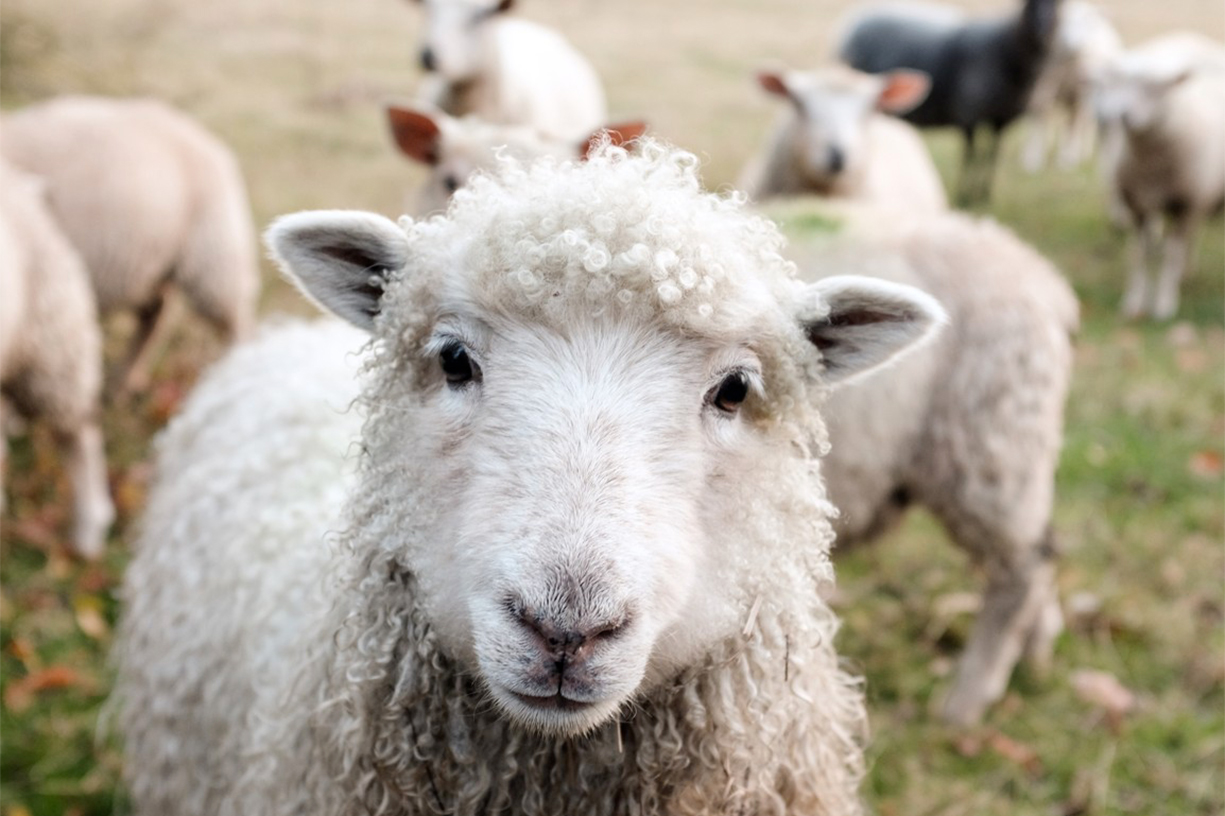
100% natural Wool is 100% natural, grown year-round. Hundreds of millions of sheep consume a simple mixture of water, air, sunshine and grass.
100% biodegradable When wool fiber is disposed of, it naturally decomposes in the soil over a few years, slowly releasing valuable nutrients back into the earth.
100% renewable Every year, sheep produce a new fleece, making wool a completely renewable fiber.
Wrinkle-resistant At a microscopic level, each fiber of merino wool is like a coiled spring that returns to its natural shape when bent. This gives merino wool garments their natural wrinkle resistance.
Innovative Fashion designers and activewear brands can choose from a range of innovative treatments and manufacturing techniques to create unique textures and finishes on merino wool garments.
Naturally breathable Merino wool is one of the most breathable fibers. Wool fibers can absorb large amounts of moisture and then wick it away.
Temperature stable Unlike synthetics, Merino wool is an active fiber that responds to changes in body temperature, helping you stay warm in cold weather and cool in hot weather.
Odor resistant Unlike synthetics, merino wool can absorb moisture, which means less sweat on your body. Merino wool even absorbs odor molecules from sweat that are only released when washed.
Gentle on the skin Merino wool fibers are extremely fine, allowing them to bend much more than traditional coarser wool fibers. This makes Merino wool soft and gentle against your skin.
Naturally elastic The natural elasticity helps merino wool garments stretch with you and yet return to their original shape, making merino wool garments ideal for exercise.
Easy care Most merino wool garments can be machine washed and tumble dried, providing a simple solution to the common question " How do you wash wool? "
Stain resistant Merino wool fibers have a natural protective outer layer that helps prevent stains from absorbing. And because merino wool doesn't create static electricity, it attracts less dust and lint.
The most reused and recycled fiber Although wool represents only 1.2% of the primary fiber supply, surveys have shown that it accounts for about 5% of clothing donated to charity. Wool is also one of the most sought-after recycled textiles for conversion into new, long-lasting products such as clothing, mattresses and upholstery.
Fire resistant The structure of wool makes it naturally flame-resistant. While cotton will ignite at 255°C, the temperature must reach 570-600°C before wool will ignite. Polyester melts at 252-292°C and nylon succumbs at an even lower 160-260°C. Wool never melts, so it cannot stick to the skin like many common synthetics.
UV resistant Merino wool clothing provides good sun protection compared to other fibers. As a natural fiber that evolved over millions of years to protect sheep from the elements, merino wool absorbs UV rays and provides sun protection, making it a good choice for a wide range of outdoor activities.
Where does merino wool get its supernatural benefits?
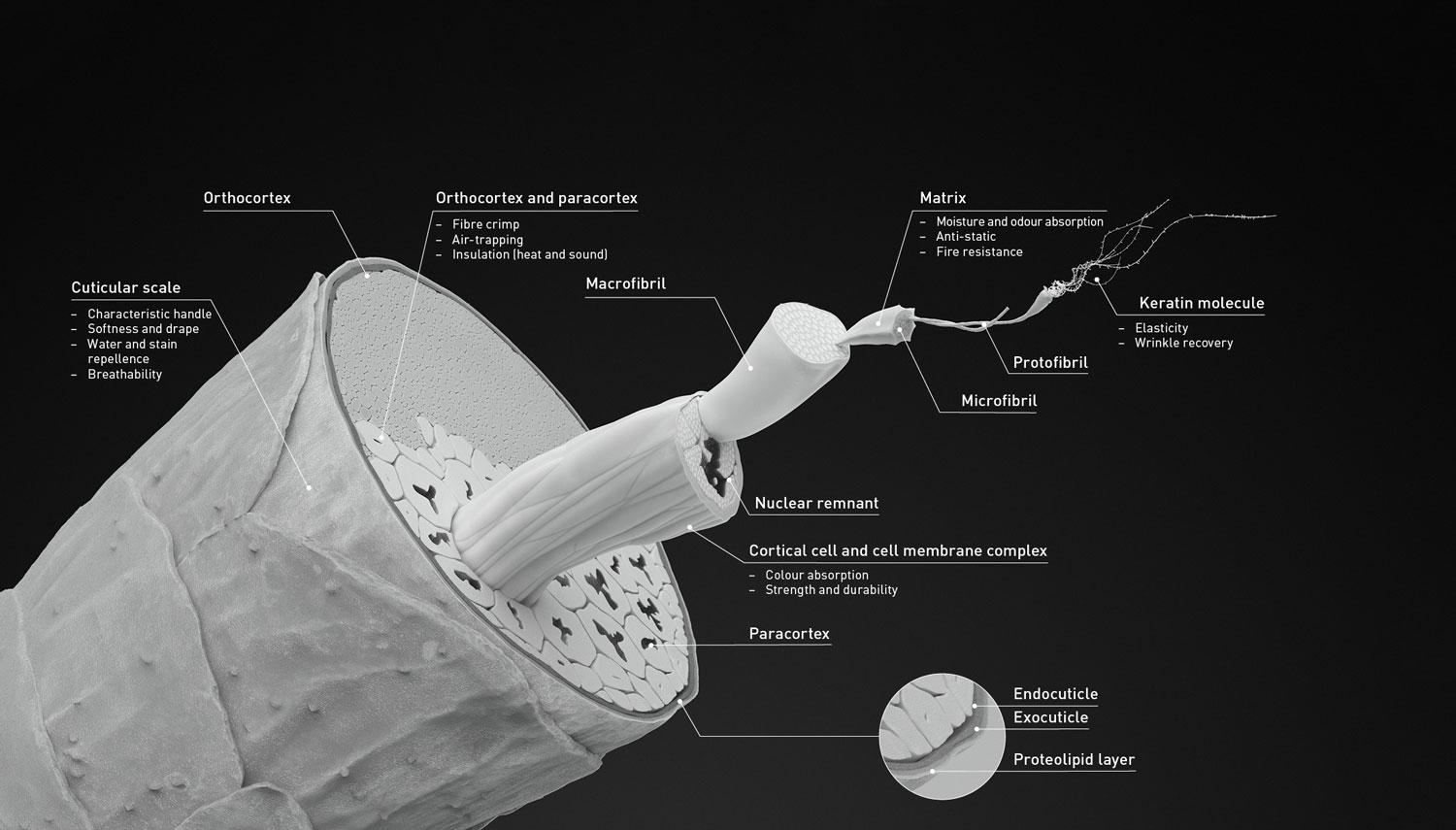
The structure of wool fiber is what allows it to have so many natural benefits.
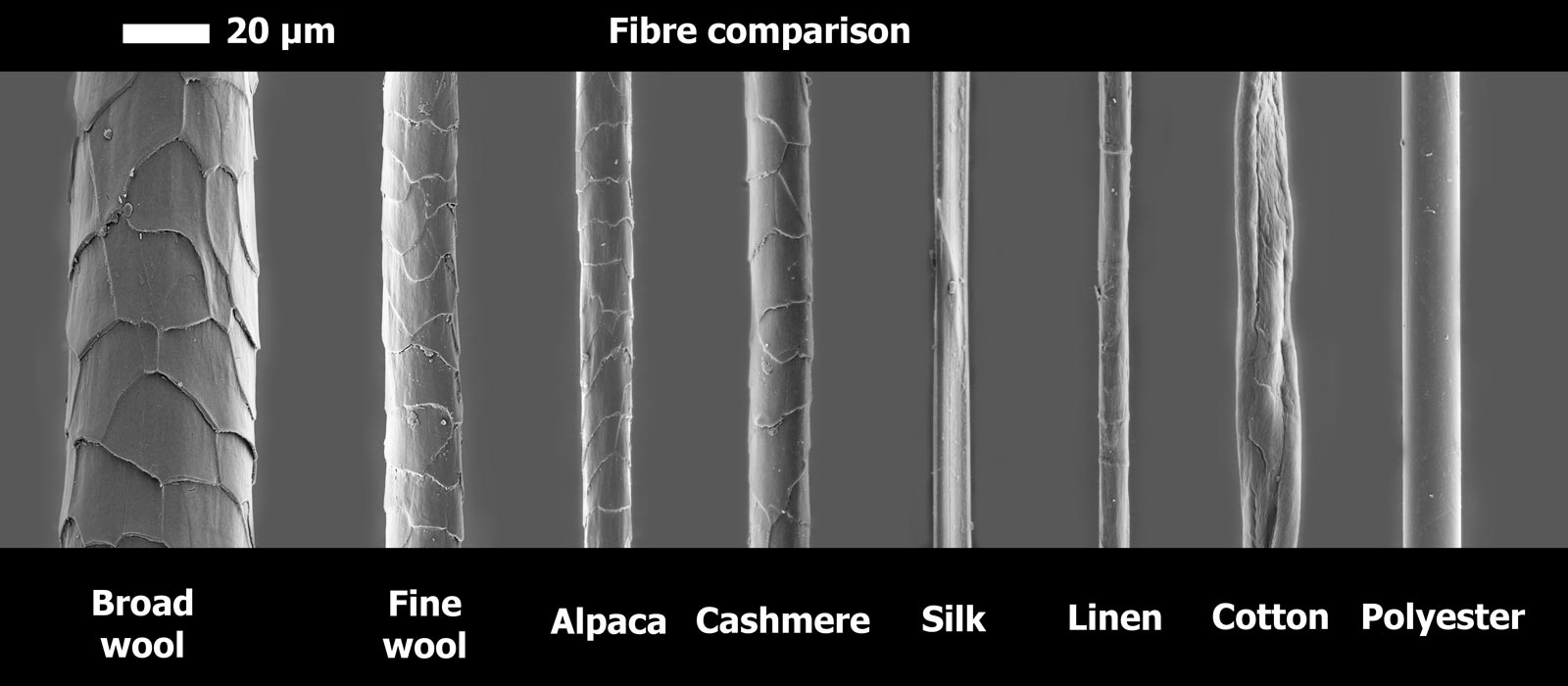
Comparison of common clothing fibers
Wool – along with alpaca and cashmere – has a unique scale structure with different patterns depending on the animal it comes from. These scales are important for protection, felting behavior, and handling in finished products such as clothing. They also provide a natural water-resistant surface.
Cellulosic fibers – cotton, silk, and linen – and synthetic fibers like polyester do not have these unique scales.
Hello, we use cookies on our website to find out how many people visit the website and what services they are interested in. We can only use these files with your consent.


.jpg)















Comments
Discussion is empty.