






Hello, we use cookies on our website to find out how many people visit the website and what services they are interested in. We can only use these files with your consent.
Sheep wool and better sleep
13. 03. 2024, 08:53
Good sleep is important. The effects of poor sleep can manifest as a range of negative physical, neurological and psychological effects on a person’s health. These include a weakened immune system, increased risk of depression and poor physical health. One way to improve sleep quality is through a combination of sleepwear and bedding that support a microclimate in bed. Wool is natural and helps to create such an environment.
It has been scientifically proven that wool clothing and bedding improve sleep quality.
A recent study by researchers at the University of Sydney found that adults wearing wool sleepwear fell asleep in just 12 minutes, compared to 22 and 27 minutes for those wearing polyester and cotton, respectively.
"Wool helps regulate your body temperature and keeps you in what's called the 'thermal comfort zone' for longer," explains Associate Professor Chin Moi Chow from the University of Sydney. "Therefore, not only will you fall asleep faster, but you'll also have a deeper and less fragmented sleep."
The study found that these benefits were most relevant to older sleepers.

12 minutes
wave

22 minutes
polyester
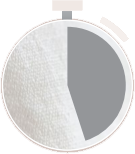
27 minutes
cotton
The effect of clothing and bedding on sleep at ambient temperatures of 17 °C and 22 °C.
An earlier study, also conducted by the University of Sydney, examined the effects of fiber type and bedding on sleeping at ambient temperatures of 17°C and 22°C.
Seventeen healthy young adults underwent 9 nights of polysomnography testing and found that the time it took to fall asleep was significantly reduced when they slept in superfine Merino wool, with trends of increased total sleep time and sleep efficiency compared to cotton sleepwear.
The group fell asleep faster, on average, when wearing Merino wool, in 11 minutes, compared to an average of 15 minutes when wearing cotton. The research article was published in the journal Nature and Science of Sleep (2016).
Bedding products made from merino wool officially recognized as suitable for asthmatics and allergy sufferers.
The international certification body Allergy Standards Limited (ASL) has officially recognized bedding made from Merino wool as suitable for asthmatics and allergy sufferers.
The development of the new certification standard (ASP: 02-25/101) was supported by peer-reviewed scientific articles and consultations with subject matter experts in the field of asthma and allergies.
The new Asthma and Allergy Certification Supplement for Bedding Containing Merino Wool (ASP:02-25/101) has been approved by the ASL Scientific Committee, reviewed by an independent group of medical experts in the field of asthma and allergies, and is now available for bedding manufacturers to test their products and obtain certification.
"Wool sleeping"
The comparative thermophysiological advantages of wool blankets compared to cotton-acrylic blend blankets were demonstrated by Umbach using laboratory measurements and human sleep studies. The author concluded that wool blankets provide better thermal insulation and moisture wicking than cotton or acrylic blankets.
Further research found that wool sheets increased REM (Rapid Eye Movement) sleep duration and that wool bedding (duvets with or without a sheet) increased REM sleep by 25% and allowed for greater natural skin cooling associated with stage 4 sleep. Subjects in this study also rated wool bedding as more comfortable.
In adults, REM sleep accounts for about 90–120 minutes, or about 20–25% of sleep time. This proportion decreases with age; in newborns, it is as much as 80%. However, REM sleep is not affected as much by aging as NREM (non-REM) sleep.
Adults sleeping on wool sheets have been shown to sleep more soundly and wake up feeling refreshed (“feeling better”). Compared to other types of fibers, wool sheets provide greater diffusion of pressure points, better insulation, and better sweat absorption, making them more comfortable.
Patients suffering from fibromyalgia (diffuse chronic pain and the presence of tender points) showed a significant reduction in pain and a significant improvement in sleep quality ratings (Pittsburgh Sleep Quality Index) when they slept on a wool mattress.
Affected patients needed to be turned or rolled less frequently on the sheep's wool mat and developed fewer pressure ulcers due to reduced moisture accumulation from the wool's natural moisture transport and breathability.
This very solid and growing body of scientific evidence shows that wool is beneficial for good sleep for both older and younger adults. In particular, wool promotes better sleep for ill sleepers.
Comments
Discussion is empty.