





Hello, we use cookies on our website to find out how many people visit the website and what services they are interested in. We can only use these files with your consent.
A little guide to the world of wool
12. 05. 2022, 19:40
Not all wool is the same – what is merino, what is alpaca? What is the softest? And don't sheep get cold when you shear them? If you're asking yourself similar questions, you're not alone. I'll explain everything to you clearly and without unnecessary complications.
European Merino sheep wool (e.g. France, Germany, Czech Republic, Slovakia)
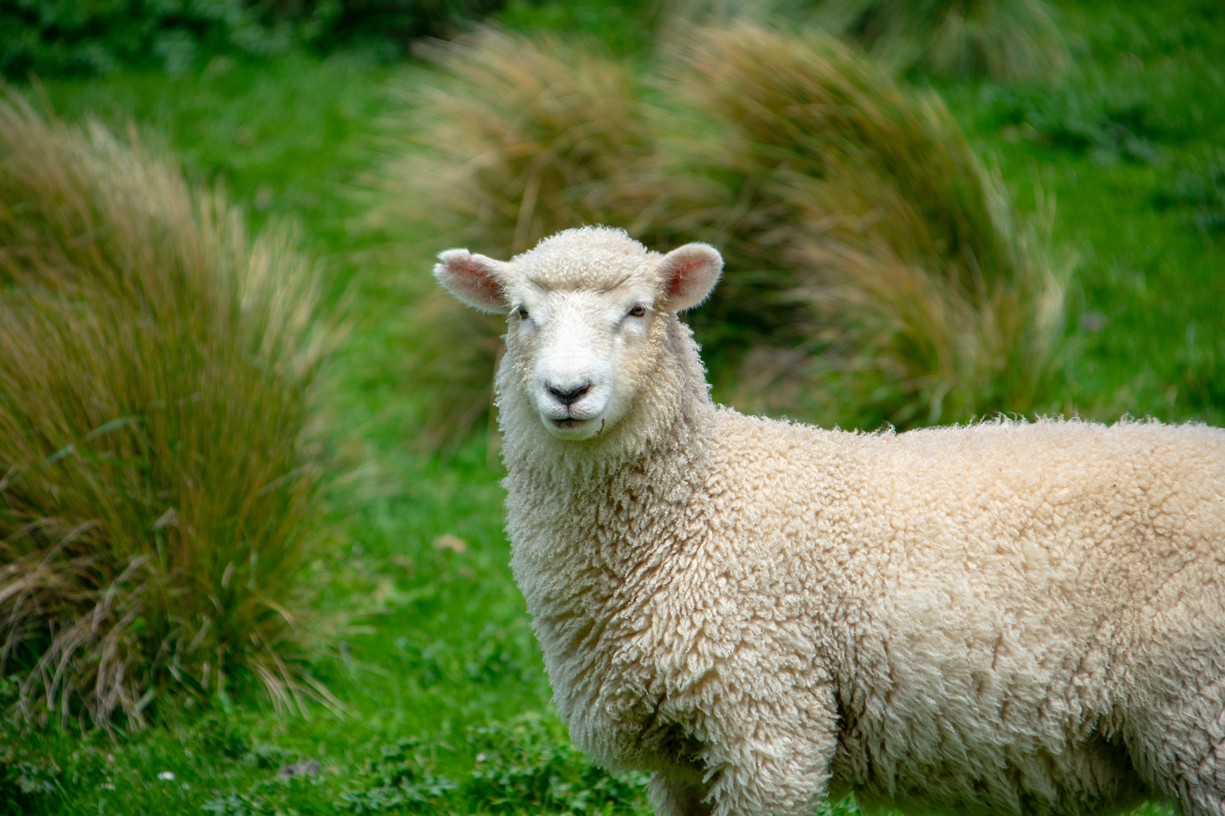
Fiber thickness: 20 microns or more
- Designation: Medium, Strong Merino
Characteristics:
stronger, warmer, often processed using traditional methods
smaller production, but high quality
Uses: blankets, mats, kidney belts, traditional knitwear
Interesting fact: European Merino tends to be environmentally friendly, locally processed and has a lower carbon footprint.
Australian Merino sheep wool
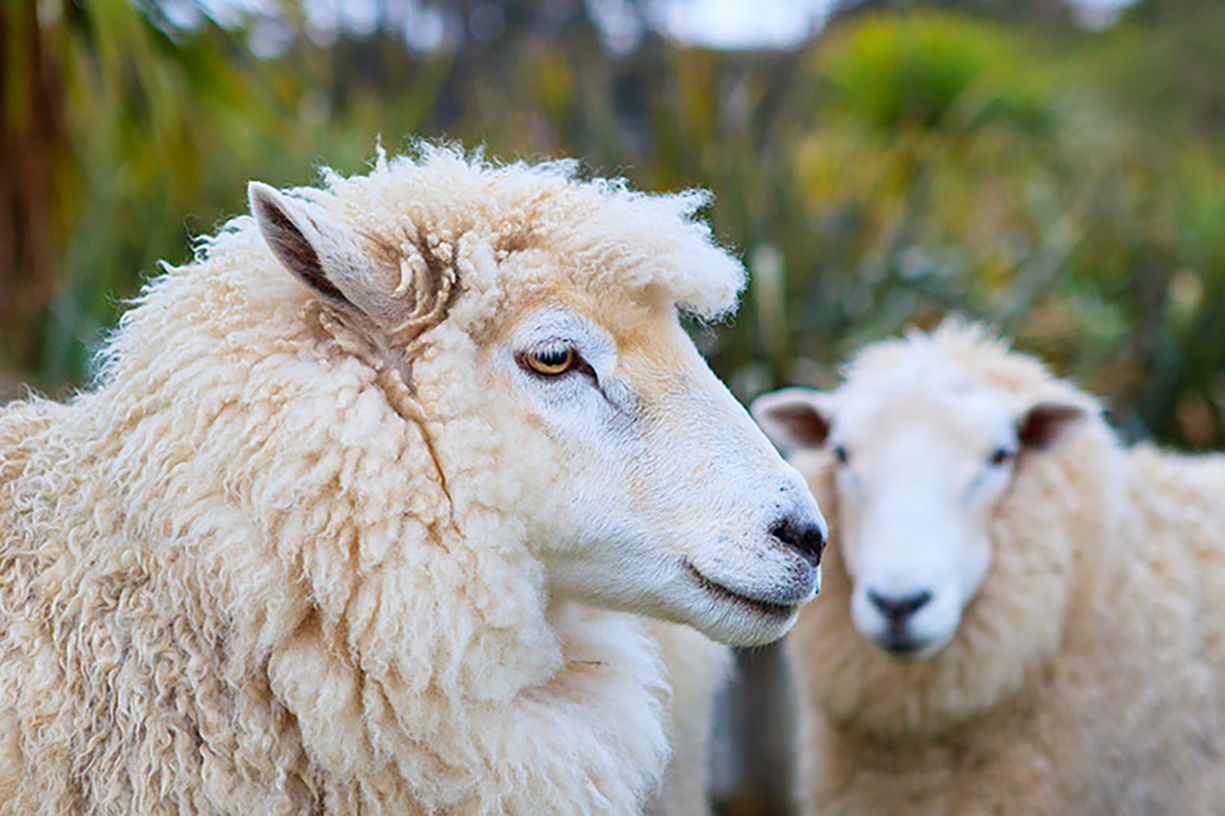
Although the word "merino" has its origins in Spanish, it is primarily sheep raised in Australia that are the best source of this high-quality and lush sheep's wool. What makes Australian merino wool so special? Its fibers are particularly flexible and durable, yet thinner and definitely softer to the touch than regular sheep's wool. It also boasts better antibacterial properties and, thanks to the specific surface structure of the fiber, it is much more resistant to odor. Thanks to this, clothing made of merino wool can be dried quickly and removed from odors by high-quality ventilation. These properties also make merino wool very popular in the production of outdoor and sports clothing.
The world's largest producer.
Fiber thickness: 16 to 20 microns
Label: Ultrafine, Superfine Merino
Characteristics:
extremely soft, suitable directly on the body
very high quality and easily accessible
Uses: luxury underlayers, sportswear, clothing for sensitive skin.
Pros: excellent thermoregulation properties, fine fiber, dries quickly and resists odors well
Cons: the fiber is not nearly as strong as regular sheep's wool and can "pull out" quite quickly, causing the clothing to lose shape, higher purchase price
Interesting fact: the Australian climate allows fine wool to grow year-round.
New Zealand Merino sheep wool
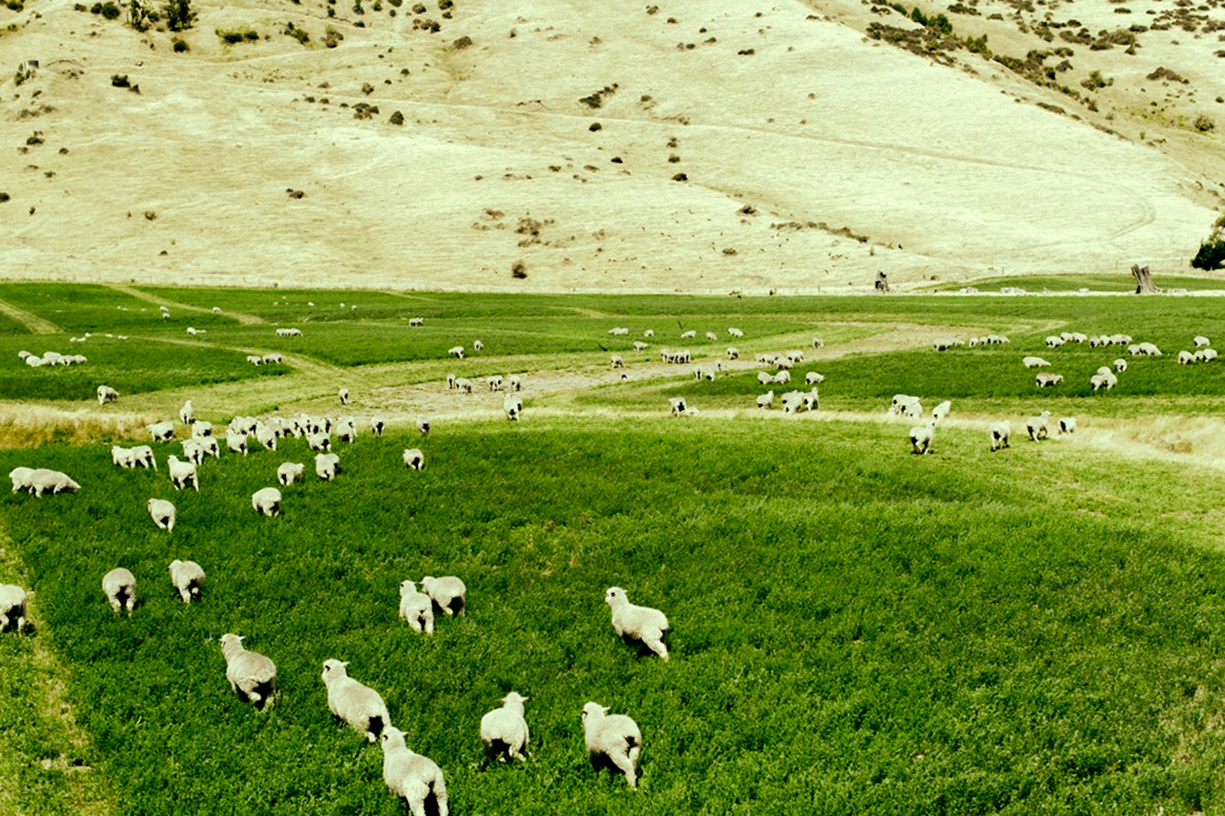
A specific offshoot of Australian merino is New Zealand merino wool . It is often considered the best sheep wool in the world, certainly the purest and whitest . The sheep providing New Zealand wool were created by purposefully crossing several breeds of Australian sheep. The fibers of this wool combine all the positive aspects of the highest quality merino wool, but also manage to balance one of its biggest shortcomings - lower strength.
When we mentioned the purity and whiteness of New Zealand wool, it wasn't just a slur. It's a very important attribute for further color treatment. The whiter the fiber is naturally, the easier it is to dye.
Pros, cons and uses: it relies on the same properties as Australian merino, but the fiber is also stronger and whiter, ensuring longer product life and allowing a wider range of resulting colors according to the customer's wishes.
Fiber thickness: 17–21 microns
Label: Superfine Merino
Characteristics:
very fine, pure white wool – excellent for dyeing
strict ecological and ethical standards
Use: thermal underwear, elegant outer layers
Interesting fact: Merino sheep often live at higher altitudes, their wool is denser and more resistant to wind and cold.
South American Merino sheep wool (especially Argentina, Uruguay)
Fiber thickness: typically 18 to 24 microns
Designation: Fine, Medium Merino
Characteristics:
a little stronger, firmer, but still soft
more rustic look
Uses: socks, sweaters, blankets, more durable clothing
Interesting fact: local Merino is valued for its strength and natural color tones
Lamb's wool
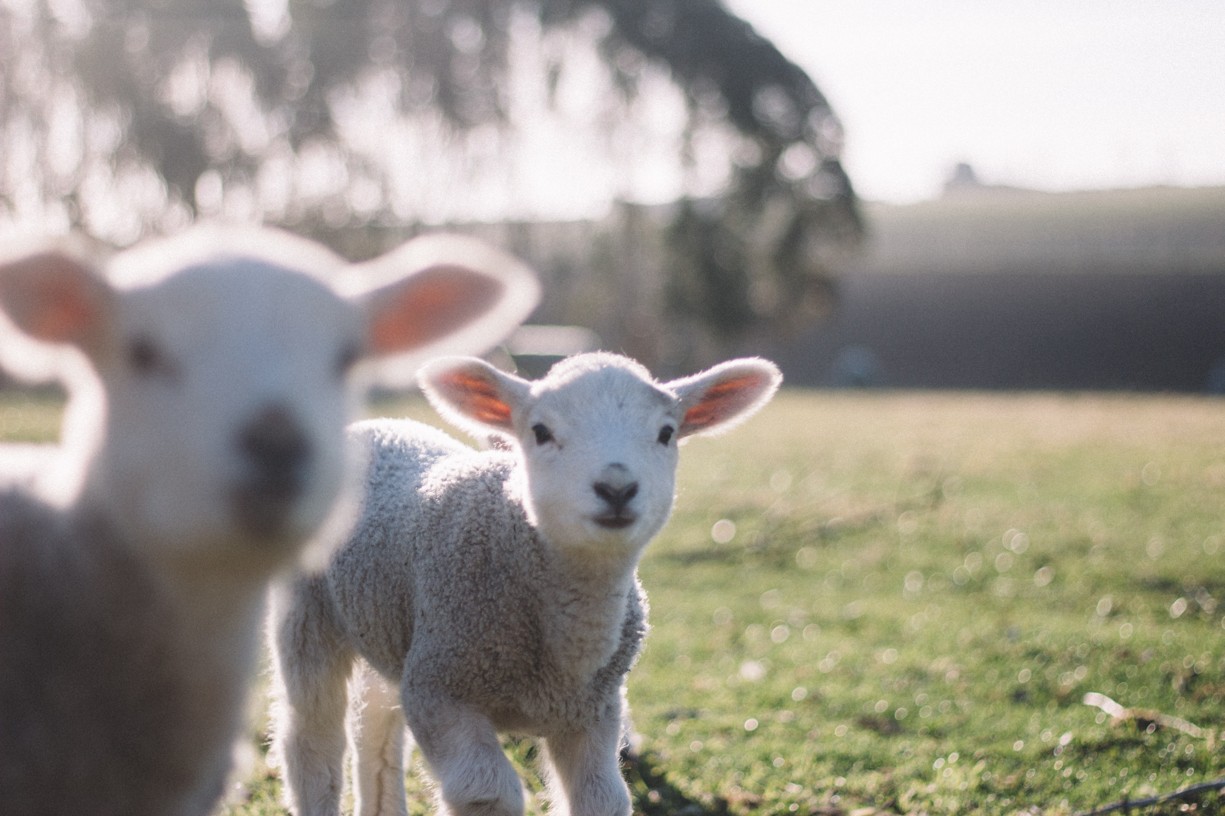
If you are going to argue that a lamb is actually a sheep and we are trying to confuse you even more, then you are only half right. A lamb is indeed a (young) sheep. But we are certainly not trying to confuse you. Lamb wool fibers meet all the positive attributes of wool from adult sheep, but they bring at least one additional advantage - they are infinitely soft and this is what makes lamb wool products a real treat .
That is why we consider lambswool as a separate category of materials. From this, we can also distinguish the so-called "virgin lambswool" and although it might not seem so at first glance, the difference lies in the length of the fibers. The longer fibers of virgin lambswool remain very soft to the touch, but thanks to their length they create a much stronger outer layer resistant to low temperatures and moisture and are therefore also very useful as a material for the outer layer of clothing.
Pros: very fine fiber, smooth to the touch, warm, well resistant to moisture
Cons: slightly more expensive than regular sheep wool
Where to use it? It can be used very universally and thanks to its inherent softness, you don't have to worry about unpleasant skin irritation caused by the coarseness of the fiber.
Alpaca wool
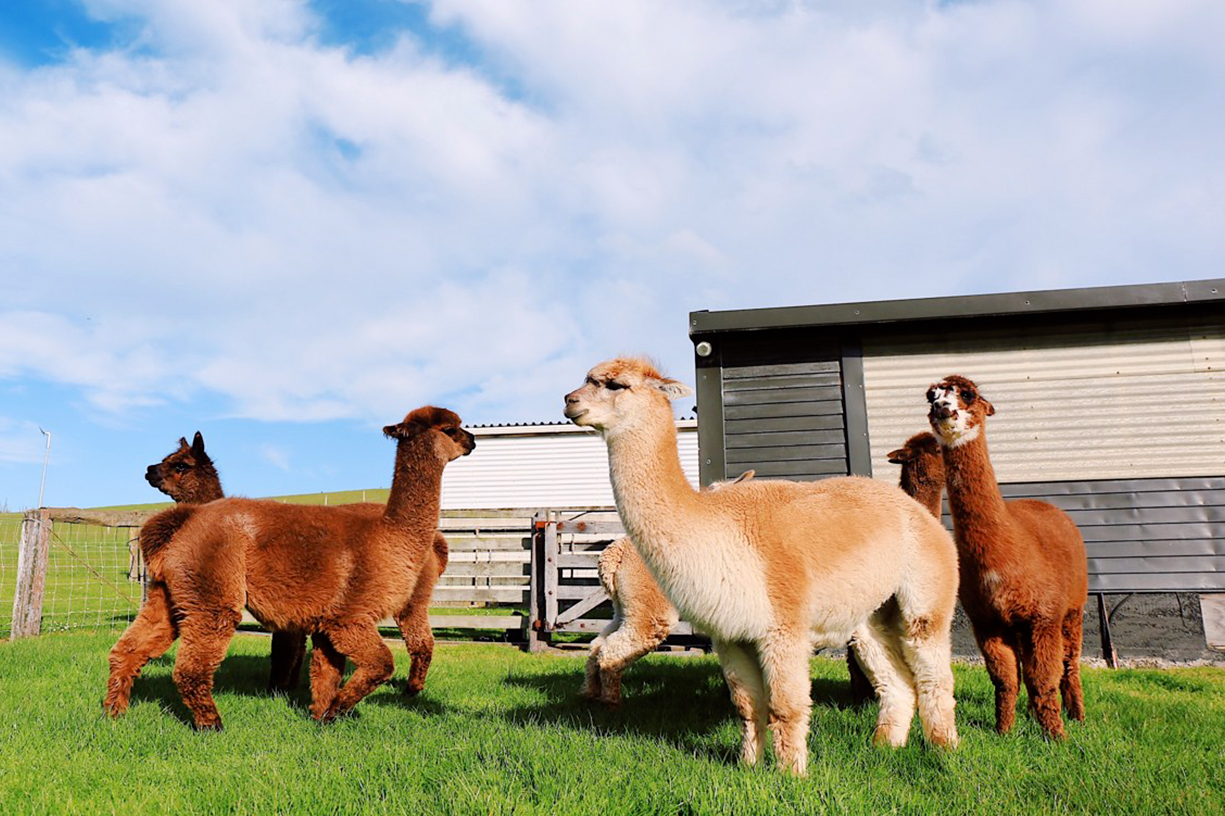
Now let's answer the question of what kind of sheep an alpaca actually is. Alpaca, or lama alpaca, is a domesticated species of wild llama . It comes from South America and belongs to the camelid family. So why are we including it on our list? Because alpaca fur is a source of high-quality wool, which is compared to down feathers due to its softness . And as soon as your palm rests on it, you will suddenly understand that it is absolutely justified. Alpaca wool fibers are very soft and much lighter than ordinary sheep wool fibers. Thanks to their natural properties, they resist dyeing well, which is why you will often find that alpaca wool products contain various additives that make dyeing easier.
Pros: soft, strong, thin, warm fibers from which the finest woolen clothing can be sewn
Cons: you can get a maximum of 2 to 3 kilograms of wool from one alapaca per year, which has a very negative impact on the price.
Where to go with it? Gentlemen, are you looking for a quality suit? Look for alpaca. You can also find alpaca wool in bedding, for example, but very often only as an additive. There is nothing to be surprised about and it is certainly not a reason to worry about the low quality of the product or an attempt to deceive the customer. Quite the opposite. Alpaca is a good thing!
Cashmere wool - Cashmere
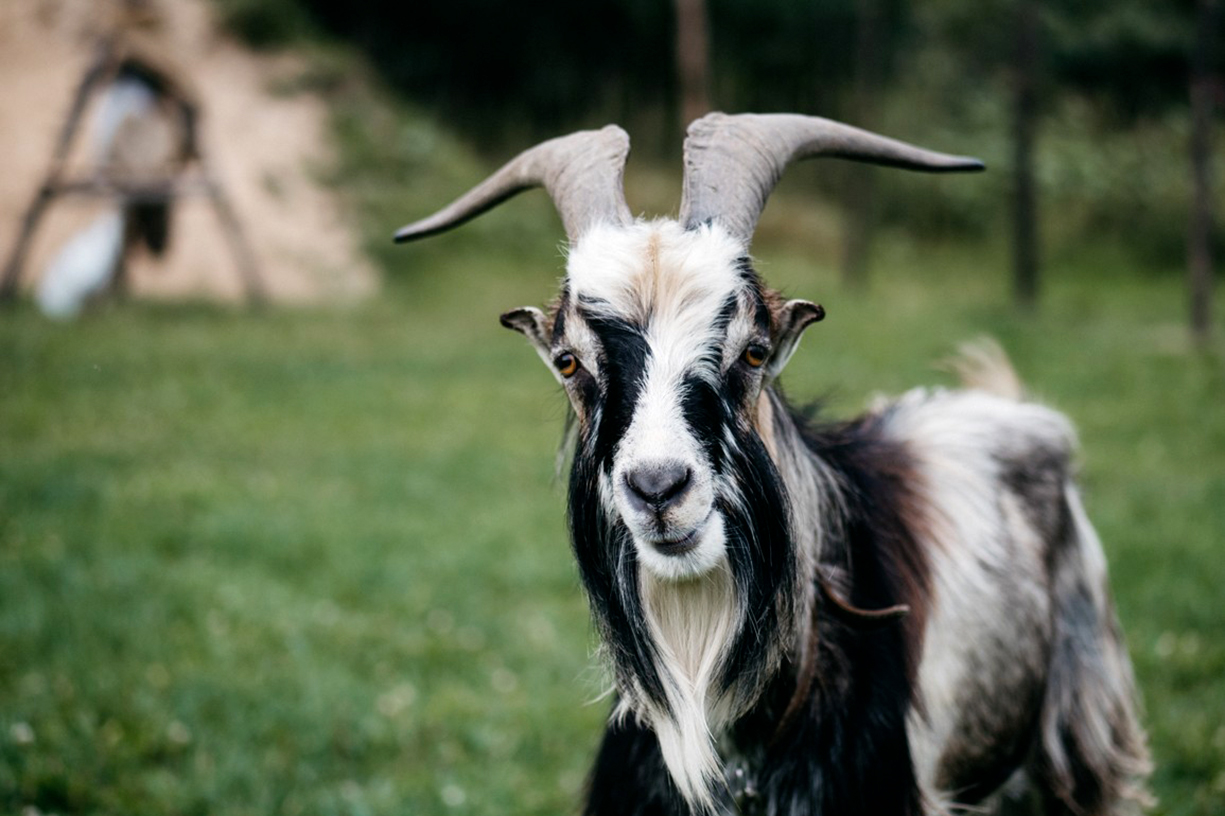
We have already had sheep, llamas and now it is the turn of goats. The uniqueness of cashmere lies not only in the quality of the fibre itself obtained from the hair of the Kashmir goat, but also in the method of processing this wool, the process of which has always been the subject of strict secrecy by everyone who knew it. No wonder. At the beginning, there is very coarse and tangled goat hair, at the end, for example, a scarf made of the finest wool, light and soft as a feather. To give you an idea, from one Kashmir goat you get about 300 to 500 g of hair per year, with only a third of this being fine fibres from the undercoat. The rest are unusable coarse fibres that need to be removed. The undercoat fibres are so thin that several of them need to be joined together to be usable in production. Thanks to this, you can come across different values indicating the thickness of cashmere wool yarn (usually from 2 to 24 fibres).
Pros: cashmere wool fiber is up to ten times lighter than classic sheep's wool, it is so fine that silk is often used to compact it.
Cons: if we talked about the price with alpaca, cashmere is even worse - the customer pays for the rarity and complexity of the processing - but the result is always worth it. That is why cashmere is very often used only as a minority admixture with other wool fibers. That way, everyone can enjoy its properties.
Where to use it? Because it is very often used only as an additive, you can find it in many types of clothing, bedding, or accessories made from wool.
Camel wool
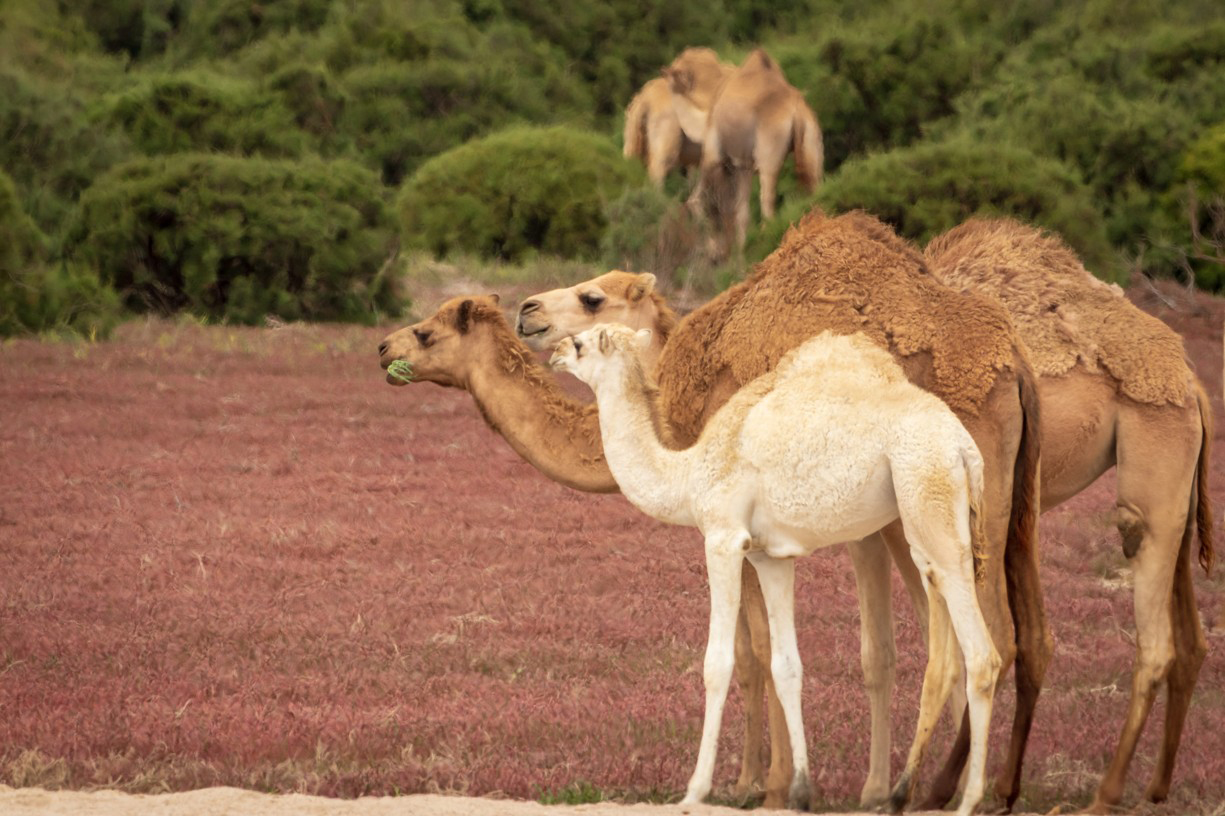
It will probably not surprise you that we are adding another, not exactly expected representative to our little wool zoo. Nevertheless, the wool of the Bactrian camel is one of the most sought-after textile materials. Similar to the Cashmere goat, the hair of the Bactrian camel consists of an upper protective layer made of long coarse fibers and an undercoat of fibers of the highest possible fineness . The longer fibers are usually processed into yarn (often with an admixture of finer material), the undercoat of fine fibers then forms the basis of luxury coats of renowned brands. The production of camel wool is limited to approximately 2250 g of wool from one piece per year. Interestingly, the hair is obtained not only by shearing, but also by combing and, during the period of regular shedding, also by hand collection.
Pros, cons and uses: Because it is a material of similar quality and rarity as alpaca, the same applies as we wrote above.
And finally, we owe you an answer to the last question. Don't sheep get cold when you shear their wool? It can happen. That's why sheep are sheared at a time when there is no risk of something like this. Shearing sheep's wool also prevents the opposite effect, i.e. overheating and the problems associated with it. Breeding sheep for wool production has changed their lifestyle, and shearing is a crucial positive element for their health and well-being. If done correctly, it is like going to the hairdresser and getting a haircut.
Comments
Discussion is empty.